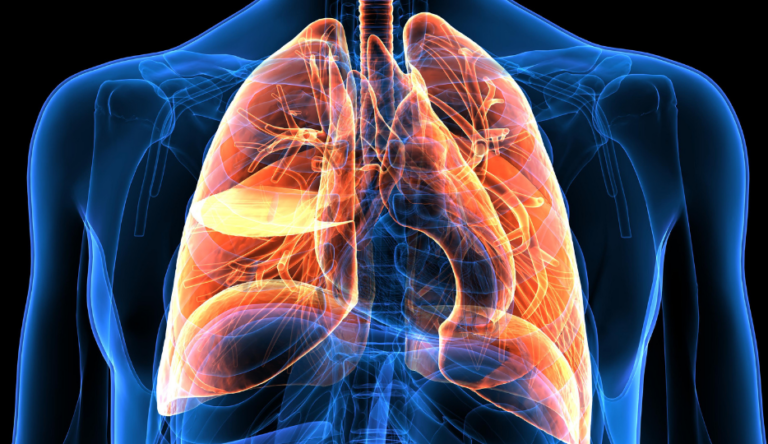
Breathing – Buteyko’s method
Breath is not a part of our life that we normally pay any particular attention to. We’ve learned that it’s important to have a proper diet, we’ve learned what’s considered healthy exercise, but breathing is still something so natural that we don’t spend any time thinking about it.
Obviously, breathing should be something natural. Unfortunately, in today’s lifestyle, there aren’t a lot of us who breathe properly…
We’re moving less and less, and our bodies are adapting to the unhealthy routine and wrong posture, and as a consequence, we’re hindering our own breathing.
The frequent poor posture negatively impacts our diaphragm. It does not help that our muscle activation patterns are not always satisfactory. We tend to be always overstimulated if not straight up living in constant stress, which in turn contributes to chronic hyperventilation, which in the long run can do a lot of damage. It’s a mechanism similar to smoking cigarettes – the consequence in the form of cancer is delayed in time, so a lot of us think they’re going to somehow make it. The same is with chronic hyperventilation, and it can also have a lot of adverse effects on the body as well as cause diseases. `
Do we breathe too much?
Professor Buteyko discovered a relation between health and proper breathing (or the reversal of excessive breathing, to be precise, which is a common issue of the modern times, as already mentioned above). From the physiological point of view, the correct quantity of air we breathe in should oscillate between 4-6 litres per minute (for someone who’s physical activity is kept to a minimum), while a lot of us breathe in more than 6 litres of air, and sometimes even as much as 20… It does not really affect how much oxygen we have in our blood (we usually have 95-99% anyway), but it makes us release too much carbon dioxide, which is essential for us to be able to use the oxygen.
Not as bad as it seems
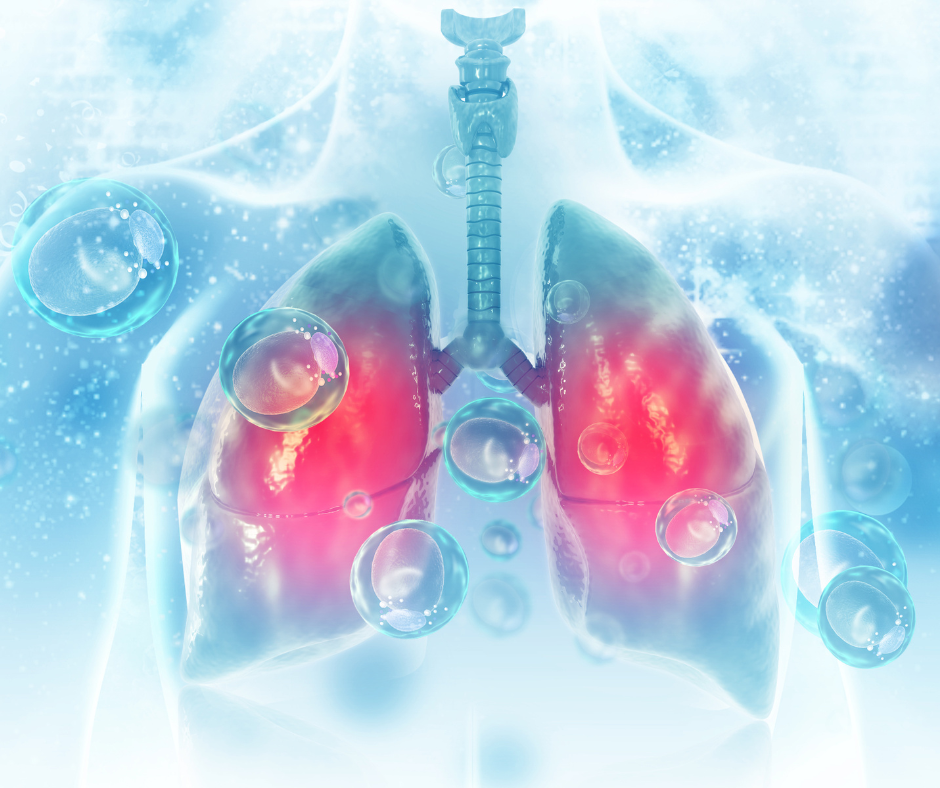
We stereotypically think about carbon dioxide as a by-product of breathing, which needs to be expelled from our body. Nothing could be further from the truth. It’s the carbon dioxide concentration in our body that determines the affinity of oxygen to blood – or whether it’s easier or harder to provide oxygen to tissues (the Bohr effect). If we have too little CO₂ (which happens when we breathe excessively), there is not enough oxygen being released to the tissues, so we can’t take advantage of the extra oxygen we have in our organism. This, in turn, makes us feel deficient in oxygen, so we’re breathing even more, and we’re stuck in a vicious circle and it’s hard to break out.
The Buteyko method has been originally designed with asthmatics in mind, but the professor soon realised it can also help with other ailments and can even improve the overall quality of life of the healthy. It’s all very logical: our tissues need oxygen to function, so if our breathing hinders them from using the oxygen, it’s not a good thing. You’ll be pleased to hear that with relatively easy exercises, we can reverse this situation and teach our body how to breathe properly, which could help us solve some difficult health issues.
Proper breathing can do us much good on several levels: biomechanical, biochemical and psychophysiological. By underestimating the breath’s role in our lives (we’re breathing “somehow” after all), we’re actively obstructing our bodies from keeping us in good health.
Qualities of good breathing:
- breathe in and breathe out through the nose
- slow
- smooth
- using your diaphragm – deep
- quiet or even imperceptible
- regular
- calm even when talking
- gentle even during sleep
- yawning with your mouth closed (so as not to lose CO₂)
What can hinder good breathing:
- a common misconception that “large” breath is healthy, or the fundamental misunderstanding of what’s a deep breath
- stress
- overeating
- diet rich in processed foods
- no regular exercise
- too much or too little sleep
- overheating the rooms we spend time in
- environment pollution
We don’t have control over a lot of these factors. With some simple exercises, we can get back on track with proper breathing, but we need to know HOW to do that. We’re back to what I’m repeating all the time: what’s most important is awareness and education.
PS This is a short and general description of a broad topic. If you’d like to read more, use this link: https://butejko.pl/metoda-butejki/podstawy-metody-butejko/ (a Polish website on the Buteyko method under the auspices of Buteyko’s student, Patrick McKeown – you’ll find me in the “instructors” tab 😉 ).